


How long does pain last after wisdom tooth removal?
Dental Tips
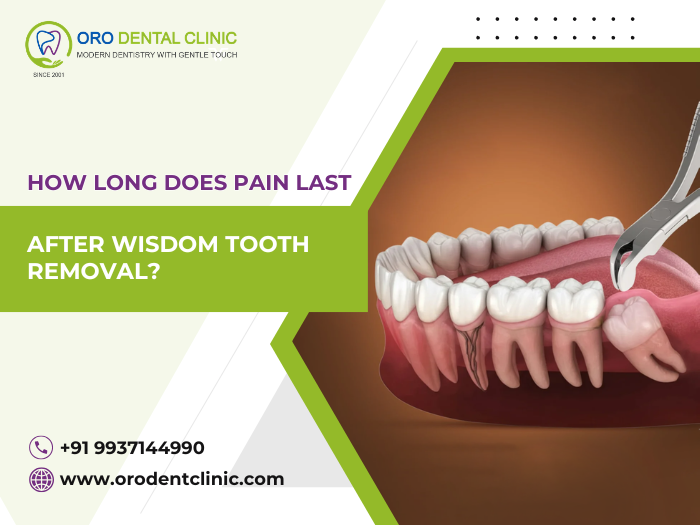
If you’ve just had your wisdom tooth removed, or you’re about to, one question keeps coming up: “How long is this going to hurt?”
It’s a fair question. No one looks forward to dental surgery, even if it’s a common procedure. You may have heard stories from friends about swelling, difficulty eating, or discomfort lasting for days. That uncertainty often feels worse than the procedure itself.
The truth is, recovery is usually smoother than people expect, especially when the extraction is done carefully, and aftercare instructions are followed properly.
At Oro Dental Clinic, patients who undergo wisdom tooth removal in Sambalpur are often surprised at how manageable the discomfort actually is.
Let’s talk honestly about what to expect, day by day, and what influences how long the pain lasts.
Why Does Pain Happen After Wisdom Tooth Removal?
Pain after wisdom tooth extraction is not a sign that something went wrong. It’s a natural part of healing.
When a wisdom tooth is removed, especially if it’s impacted (stuck under the gum or partially erupted), the surrounding bone and soft tissue are disturbed. Your body responds with inflammation, which is part of the healing process.
Inflammation causes:
- Mild to moderate pain
- Swelling
- Stiffness in the jaw
- Slight difficulty opening the mouth
The level of discomfort depends on:
- Whether the tooth was simple or impacted
- How deeply it was embedded
- Your body’s healing response
- How well aftercare is followed
How Long Does the Pain Usually Last?
For most patients, pain follows a predictable timeline.
First 24 Hours
This is when discomfort is most noticeable. The numbness from anesthesia wears off within a few hours, and soreness begins. Pain medication prescribed by your dentist usually keeps it under control.
Swelling may start to appear during this period.
Day 2 to Day 3
This is often the peak of swelling and discomfort. The area may feel tender, and chewing on that side is uncomfortable. However, the pain should feel manageable, not severe.
If you’ve had wisdom tooth removal in Sambalpur at a clinic like Oro Dental Clinic, proper surgical technique and post-operative guidance significantly reduce this phase.
Day 4 to Day 7
By this time, most patients notice steady improvement. Swelling decreases, and pain becomes mild. You may still feel slight soreness while chewing, but daily activities feel normal again.
After One Week
For simple extractions, discomfort is usually almost gone. For impacted or surgical extractions, mild sensitivity may continue for up to 10–14 days.
Complete healing of the bone and gums takes a few weeks, but active pain should not last that long.
When Is Pain Not Normal?
Mild pain is expected. Severe or worsening pain after 3–4 days is not.
One possible complication is dry socket, which happens when the protective blood clot at the extraction site dislodges too early. This exposes bone and causes sharp, throbbing pain.
Signs of dry socket include:
- Severe pain starting 3–5 days after surgery
- Pain radiating to the ear or temple
- Bad taste or odor from the mouth
Dry socket is treatable, but it requires immediate attention.
If pain increases instead of improving, contact your dentist without delay.
What Affects How Long the Pain Lasts?
Recovery is not identical for everyone. Several factors influence healing time:
1. Type of Extraction
A fully erupted tooth is easier to remove and heals faster. Impacted teeth, especially those trapped under bone, require minor surgical procedures, which extend recovery slightly.
2. Age
Younger patients typically heal faster. In older adults, bone density is higher, and recovery may take a little longer.
3. Aftercare Discipline
Following instructions carefully makes a major difference. Avoiding rinsing vigorously, not smoking, and eating soft foods protect the clot and speed healing.
4. Overall Health
Conditions like diabetes or smoking can delay healing.
How to Reduce Pain After Wisdom Tooth Removal?
While some soreness is normal, you can actively minimize discomfort.
Follow Medication Instructions
Take prescribed painkillers and antibiotics exactly as directed. Don’t wait until pain becomes severe before taking medication.
Use Ice Packs
Applying ice to the outside of the cheek for the first 24 hours helps reduce swelling.
Stick to Soft Foods
Eat foods like yogurt, mashed potatoes, soups (not too hot), and smoothies. Avoid crunchy or spicy foods that may irritate the site.
Avoid Smoking and Straws
Suction can dislodge the clot and increase the risk.
Maintain Gentle Oral Hygiene
Brush carefully, avoiding the extraction area for the first couple of days. After 24 hours, gentle salt-water rinses can help keep the area clean.
What About Swelling and Jaw Stiffness?
Swelling is normal and usually peaks around the second or third day. It gradually subsides within a week.
Jaw stiffness, especially after lower wisdom tooth removal, may make it slightly uncomfortable to open your mouth fully. This improves gradually as inflammation decreases.
Mild bruising may appear in some cases; it is also temporary.
Does Everyone Experience Pain?
Not necessarily.
Some patients report minimal discomfort and return to normal routines within a day or two. Others experience moderate soreness for several days.
Pain tolerance varies from person to person.
Today modern techniques, sterile surgical protocols, and proper anesthesia make wisdom tooth removal much more comfortable than it used to be.
At Oro Dental Clinic, careful planning and patient guidance make recovery smoother for those undergoing wisdom tooth removal in Sambalpur.
When Should You Contact Your Dentist?
Call your dentist if you experience:
- Severe pain after 3–4 days
- Excessive bleeding
- High fever
- Persistent swelling after a week
- Difficulty swallowing or breathing
Early intervention prevents complications from worsening.
How Long Does Pain Really Last?
For most patients:
- Mild to moderate pain lasts 2–3 days
- Noticeable improvement happens by Day 4
- Most discomfort fades within a week
- Full healing continues silently over a few weeks
The key is proper care and timely follow-up.
If you’re planning wisdom tooth removal in Sambalpur, choosing an experienced dental team plays a big role in making recovery smooth.
FAQs
1. How painful is wisdom tooth removal?
During the procedure, you won’t feel pain due to anesthesia. Mild to moderate soreness afterward is normal and manageable with medication.
2. How long does swelling last after wisdom tooth extraction?
Swelling usually peaks on Day 2 or 3 and reduces within 5–7 days.
3. When can I eat normally again?
Soft foods are recommended for 2–3 days. Gradually return to a normal diet within a week, depending on comfort.
4. What is dry socket and how common is it?
Dry socket occurs when the protective clot dislodges early. It’s uncommon but treatable when addressed quickly.
5. Can I brush my teeth after extraction?
Yes, but gently. Avoid the extraction site for the first 24 hours, then clean carefully without disturbing the area.
Recover Comfortably with the Right Care
If you’re dealing with wisdom tooth pain or planning an extraction, don’t delay care. Early evaluation prevents complications and makes the process smoother.
At Oro Dental Clinic, we provide safe, carefully planned wisdom tooth removal in Sambalpur with clear aftercare guidance to ensure comfortable recovery. Schedule a consultation today and take the next step toward relief, without unnecessary worry.